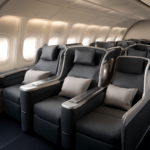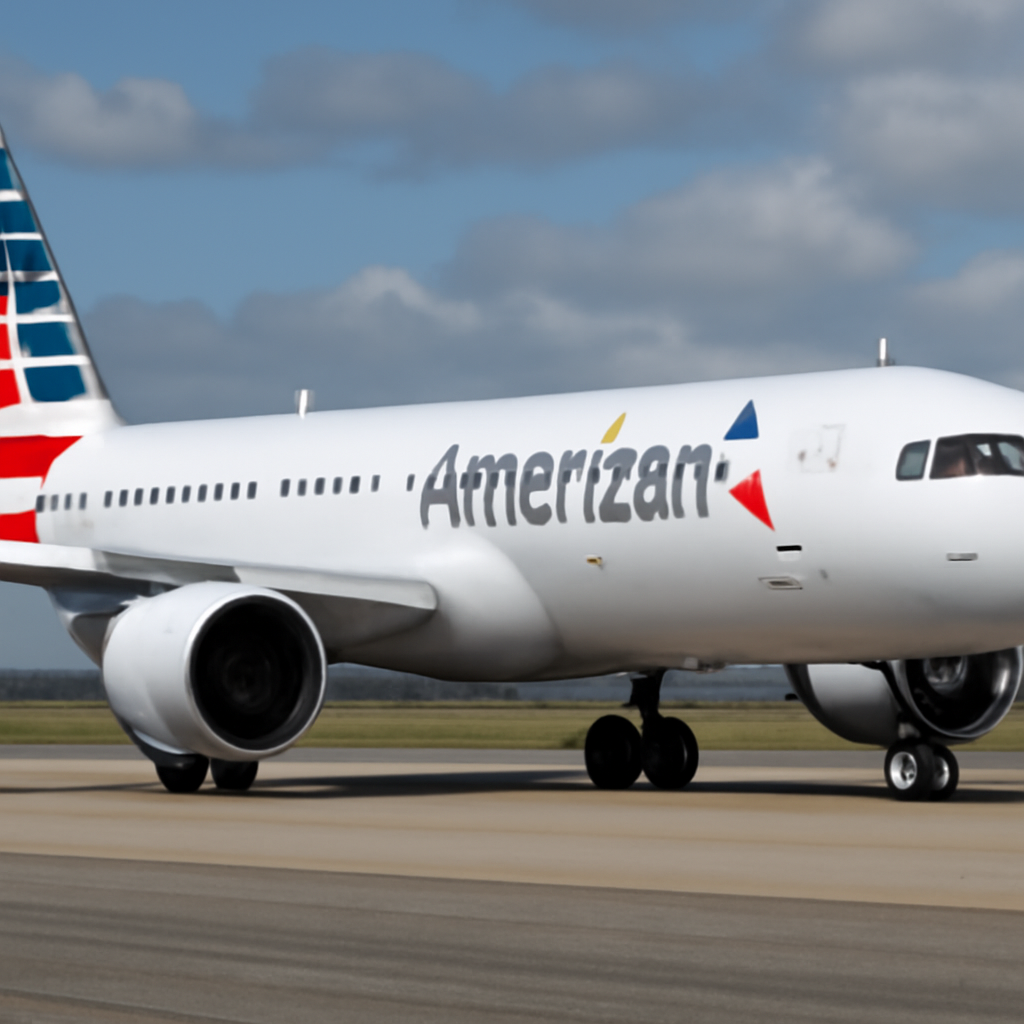

American Airlines operates two variants of the Airbus A321neo that may appear largely alike to travelers, yet they cannot be made identical. Ten aircraft obtained from Alaska Airlines possess a different emergency-exit configuration compared to the airline’s factory-delivered A321neos, a structural characteristic stemming from their original design. Even after American updated the former Alaska planes with its standard Oasis cabin, the fuselage layout hindered the airline from aligning the seating capacity and seat placements with those of the larger subfleet.
This leads to a minor but ongoing source of inconsistency within American’s narrowbody fleet. Both variants are categorized under the same 32Q fleet code, but they differ in total seat counts, exit rows, and cabin features. Passengers who choose seats based on a specific map may discover that an aircraft substitution alters the location of extra-legroom seating or places them in a different section of the cabin. For the airline, the challenge lies not only in managing two different interiors but also in operating a single fleet designation across aircraft with layouts that cannot be standardized through a typical cabin retrofit.
10 Aircraft With A Distinct Background
The subfleet’s origins trace back to Virgin America, which placed the order for the aircraft before Alaska Airlines acquired the airline in 2016. Alaska inherited these Airbus jets as part of the acquisition, despite having a fleet primarily focused on Boeing. When Alaska later sought to streamline its operations around Boeing narrowbodies, it retired the 10 A321neos and sold them to American in 2023. Only four of the ten aircraft were in service with Virgin America; the remaining six joined Alaska immediately after the acquisition. By the time American took ownership, the aircraft were relatively young, averaging around 5.6 years old when Alaska retired them. Acquiring an existing group allowed American to access additional A321neo capacity without the wait for new production slots, which were already limited due to high global demand for the model.
The aircraft began to be integrated into American’s operations in spring 2024, initially flying from Miami with much of Alaska’s original cabin still preserved. At that time, they featured 190 seats, including 16 in first class and 174 in the main cabin. This layout provided a more spacious experience compared to American’s standard A321neo, with increased seat pitch in several areas, but fewer first-class seats available for complimentary upgrades.
Thus, American’s acquisition was a pragmatic fleet decision rather than an intention to establish a permanently distinct passenger experience. The airline aimed to align the aircraft more closely with its established domestic configuration. However, the original door arrangement of the jets would ultimately limit this goal. The timing also presented an opportunity to quickly increase capacity. New aircraft deliveries necessitate production slots, financing, and time to enter service, while the former Alaska jets were already constructed and had relatively little operational history. Their acquisition enabled American to enhance its narrowbody capabilities while awaiting additional Airbus deliveries. The trade-off was accepting a small group of aircraft whose design would complicate efforts to maintain a consistent cabin experience.
Airbus Cabin Flex Is The Structural Distinction
The crux of the issue lies in the development of Airbus Cabin Flex, or ACF. Early A321neo aircraft were designed with a door arrangement that closely resembled the previous-generation A321ceo: four main passenger doors on each side of the fuselage, including an extra pair located ahead of the wing. The ten former Alaska aircraft belong to this earlier A321neo configuration. Airbus introduced Cabin Flex to provide airlines with greater flexibility regarding cabin layouts and passenger capacity. The redesign eliminated the second pair of full-size doors and introduced modified overwing emergency exits, along with alterations to the rear fuselage and door placements. This resulted in additional usable space.
Source: Original article