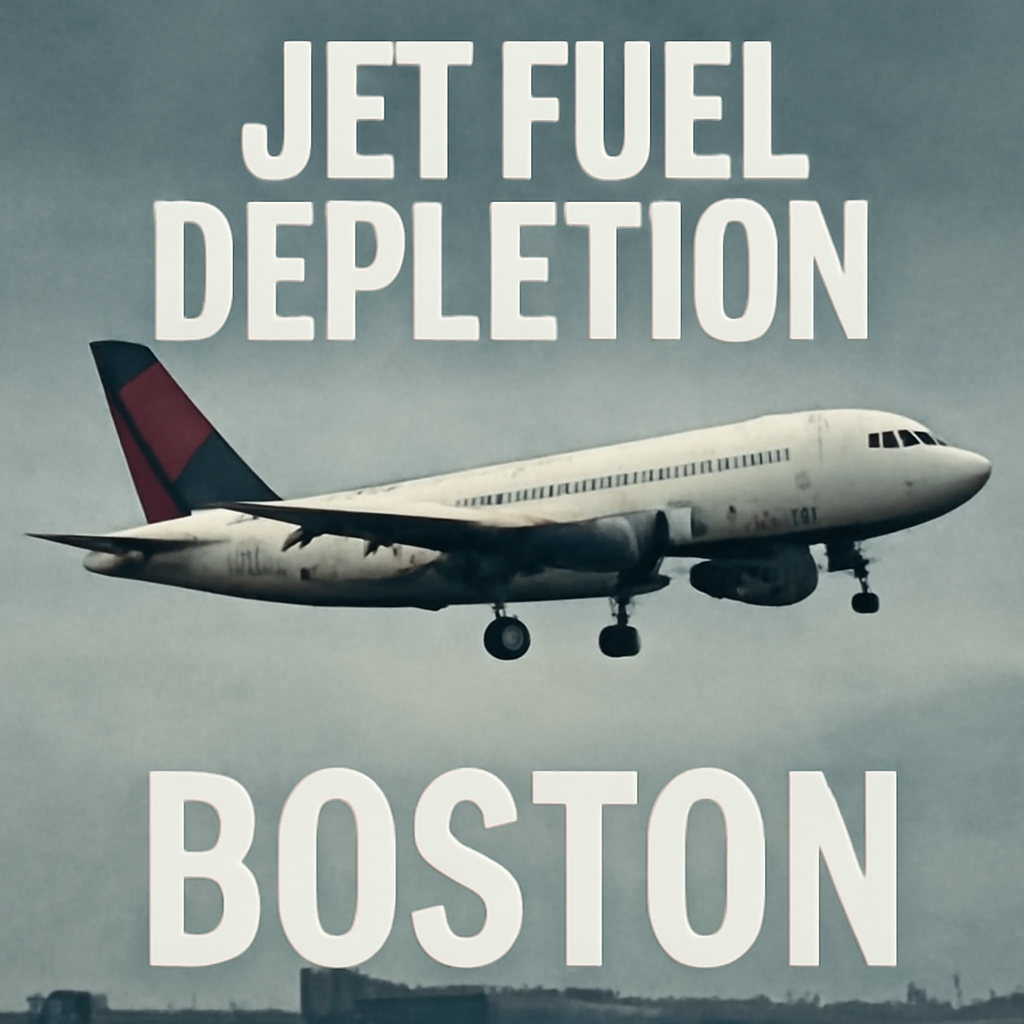

This week, a fuel shortage is jeopardizing flights at a significant U.S. airport, with Paddle Your Own Kanoo reporting that airlines are compelled to transport additional fuel. At Boston Logan International Airport (BOS), the busiest airport in New England, JetBlue is anticipated to reach its maximum fuel transport capacity.
Due to severe weather that impacted Boston over the weekend, fuel could not be delivered by barge or ship, resulting in flooding and damage to homes in the area. The airport’s fuel reserves are now reportedly down to approximately two days’ worth.
Jet Fuel Supply is Dwindling at Boston Logan International Airport
Following the nor’easter that stranded fuel barges in New York City, the supply of fuel entering Boston has been obstructed. Consequently, airlines operating at the airport are required to carry extra fuel or rely on limited tanker truck deliveries from nearby regions to replenish their supplies. It is anticipated that fuel shipments will return to normal as the storm conditions improve.
The storm’s effects and fuel limitations have led to numerous flight cancellations and delays, with both JetBlue and Delta Air Lines confirming disruptions to their operations. Passengers are encouraged to verify with their airlines to confirm any changes to their upcoming flight reservations in the coming days. Below is a statement from Massport, the airport’s operator:
“Due to the anticipated nor’easter, fuel vessels cannot reach Boston until the storm passes. We have sufficient fuel to last through the weekend, but to be cautious, the fueling consortium is requesting airlines to carry extra fuel on their aircraft to reduce the fueling demand here.”
Fuel Deliveries Anticipated This Week as Storm Conditions Diminish
The worst of the severe weather has now moved past Boston, which should allow essential fuel barges to leave New York and replenish the dwindling supplies at Boston Logan. Due to the delays in these services over the weekend, some flight operations may still be affected by limited fuel uplift on departing flights.
Aviation insider JonNYC suggested in a post on X that some flights may have had to make fuel stops at other U.S. airports after leaving Boston during the fuel shortage, adding extra travel time to certain itineraries.
Recently, airlines in Boston have had to transport additional fuel on incoming flights to reduce the amount needed in Boston. This strategy works for shorter flights but poses challenges for transcontinental or long-haul operations.
According to FlightAware, a quarter of all flights on Saturday experienced delays or cancellations due to the fuel shortages and weather conditions. It remains uncertain which factor was primarily responsible for these disruptions.
Flight Operations at Boston Logan International Airport
Boston Logan serves as a hub for Delta and a focus city for JetBlue. Additionally, Cape Air, a small regional airline, operates from the airport. It caters to the Greater Boston Area and the broader New England region, featuring six runways that accommodate all aircraft sizes, including the Airbus A380.
Data from The Frequent Flyer indicates that in 2025, over 42 million passengers traveled through the airport across 407,000 flight operations. Delta was the largest airline at the airport between June 2025 and May 2026, operating 27.2% of all flights. Below are the details of the top five operators at the airport:
The busiest domestic routes from the airport include Chicago, Atlanta, Washington, Orlando, and San Francisco, while the most frequented international routes are to London Heathrow, Paris, Dublin, Amsterdam, and Aruba.
Source: Original article